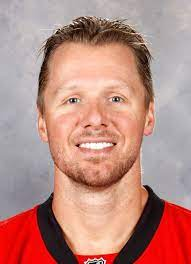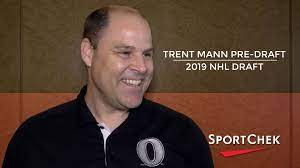
Sens Fire Trent Mann

As the pain of the Alex DeBrincat trade subsides (The Athletic also roasted Dorion), we got an org move that I’ve been expecting since February (when Troy Mann was fired), as his brother Trent was fired. Trent Mann has been with the organization since 2011 and run the drafts since 2017 (which is to say, he’s run all of Dorion’s drafts). The theory about why Troy was fired has long been that Dorion didn’t want an independent voice talking to new ownership about his many boondoggles–Trent is cut from the same cloth as Troy and as new ownership is about to take over, it’s time to go. If Andlauer has any hockey sense at all, Dorion will be gone ASAP regardless (something I believe can’t happen earlier than September, at which point he might be allowed to remain throughout the season until he can be properly be replaced next year). We already have two new long term contracts the org will have to deal with in future (Korpisalo and MacEwen), and the cap space cleared by moving DeBrincat gives Dorion the opportunity to add more. If I’m Andlauer, I don’t want him to do anymore damage than he already has. One positive is that almost all his prior mistakes (in terms of dead cap and retained salary) end after this season (only Colin White lasts forever). The Sens have three serious financial headaches going forward at the moment (Korpisalo, Forsberg, and Mathieu Joseph, tallying 9.7 million combined), but Dorion could make that worse.

Back to Trent, I’ve long taken issue with his public comments that he no longer wants to take chances on skilled players. It’s fair to say that this is as much Dorion’s edict as Mann’s. We know that Dorion, as a former scout, can push for picks that he wants, so when we look at Trent’s drafts we can’t know where his GM has overruled him (it’s more likely in early rounds, but we can’t limit it to that). We also know that either Dorion, Mann, or both have a passion for players whose fathers were in the NHL (my guess is this is a Dorion thing, who likes the ego stroke of their fathers being connected to the team). The idea of bloodlines being meaningful has no real basis, but the team clearly thinks it does (cf). That said, let’s look at Trent’s drafts (my scale of success is a player who has or will play 200+ NHL games):

2017 (2-2-0)
1-28 Shane Bowers (USHL; NHL 1-0-0-0; AHL 174-31-35-66) – hard worker, but scouts saw all sorts of red flags and they were right; dumped as part of the Duchene trade; Colorado then dumped him on Boston who in turn sent him to New Jersey
2-47 Alex Formenton (OHL; NHL 109-23-16-39; AHL 76-31-26-57) – outside his (still unresolved) personal issues, he’s an excellent pick (via the link you can see Pronman faceplant in his analysis, but people like Hockey Prospect were on the money), although he remains a dead asset until the aforementioned are decided (the NHL has taken its time for fear of being sued is my guess–his Wiki is completely scrubbed which is interesting)
4-121 Drake Batherson (QMJHL; NHL 227-62-97-159; AHL 103-38-78-116) – a fantastic pick based on skill (I was very happy with it at the time); he was also under the Formenton cloud, but that seems to have been baseless
6-183 Jordan Hollett (WHL; retired) – he’s big, which has been the guiding factor in Ottawa’s goaltending selections, but there was no development curve
2018 (1-5-2)
1-4 Brady Tkachuk (NCAA; NHL 359-125-150-275) – there were a few concerns at the time about his ability to produce in the NHL, but he’s blown those away
1-26 Jacob Bernard-Docker (AJHL; NHL 32-0-2-2; AHL 99-4-11-15) – you can read scouts badly whiffing on his offensive abilities, and my concerns were not elevated enough as in my opinion he’s not an NHL player (his AHL numbers are horrendous)–it’s not clear JBD knows what the puck is for
2-48 Jonny Tychonick (BCHL; AHL-contract) – while I was enthused for the team to take a chance on skill, it never quite translated in the NCAA; Toronto signed him to a two-year AHL-deal when he completed his college career
4-95 Johnny Gruden (USHL; NHL 3-0-0-0; AHL 161-32-40-72) – I thought it was a terrible pick at the time, as nothing about his game stood out; the Sens dumped him as part of the Matt Murray trade and he remains in Pittsburgh’s org
4-126 Angus Crookshank (BCHL; AHL 90-31-32-63) – loved the pick when it was made and while his career trajectory remains uncertain, he’s got NHL depth potential I like (which is to say, he can score and grind)
6-157 Kevin Mandolese (QMJHL; NHL 3GP .916; AHL 43GP .893) – see below, but another big ‘tender whose career has been very erratic
7-188 Jakov Novak (NAHL; AHL-contract) – a gamble on skill that did not pay off; the NCAA grad has signed a one-year AHL deal with Laval (Montreal)
7-194 Luke Loheit (USHS; unsigned) – a pick I hated at the time and he’s yet to land even an AHL-deal
2019 (1-1-4)
1-19 Lassi Thomson (WHL; NHL 18-0-5-5; AHL 135-18-54-72) – I liked the pick and I continue to like the player (he’s much more talented than JBD above), although his ceiling remains uncertain
2-32 Shane Pinto (USHL; NHL 99-21-22-43) – scouts were spot on and he’s been a fantastic pick thus far
2-37 Mads Sogaard (WHL; NHL 21GP .889; AHL 64GP .904) – have I mentioned big? Mads is huge. Like Mandolese above, he’s been very erratic in his career thus far, but that’s not unusual with goaltenders
4-94 Viktor Lodin (SHL; NHL 1-0-0-0; AHL 38-11-12-23) – I mistakenly thought he was a grinder when picked due to a lack of info, but he earned an ELC which was ruined by injury and it seems likely he’ll return to Sweden
5-125 Mark Kastelic (WHL; NHL 81-9-6-15; AHL 102-19-24-43) – has banged and crashed around as expected, but as a marginal player he could disappear very quickly (I wasn’t a fan of the pick and really, why keep him when you signed MacEwen?)
7-187 Maxence Guenette (QMJHL; NHL 1-0-0-0; AHL 120-11-48-59) – reminded me of Max Lajoie (who signed a two-way deal with Toronto for next season); I like the player, although it’s unlikely he’ll be a regular NHLer
2020 (2-1-7)
1-3 Tim Stuetzle (DEL; NHL 210-73-104-177) – no complaints here
1-5 Jake Sanderson (USHL; NHL 77-4-28-32) – I had some concerns offensively, but those were unfounded
1-28 Ridly Greig (WHL; NHL 20-2-7-9; AHL 46-16-16-32) – his style of play combined with his size cause concerns about durability; I’m not quite sure where is he is offensively (we don’t yet see the dominant AHL numbers of a Batherson)–top-nine?
2-33 Roby Jarventie (Mestis; AHL 114-29-37-66) – the Sens have had limited luck from Finland, but I liked the pick (skill) and his trajectory has been good thus far (his totals don’t look remarkable, but if you go year-by-year you see the jumps in performance (0.47->0.75) and keep in mind he’s been the youngest player for the BSens every season)
2-44 Tyler Kleven (USHL; NHL 8-0-2-2) – the collective komming in the fanbase over him is hilarious (Yorkie has to change his shorts just talking about him), but it’s not at all clear how he projects (can he distribute the puck, or is he a limited, physical 5-6 guy?)
2-61 Egor Sokolov (QMJHL; NHL 13-1-1-2; AHL 169-55-79-134) – everyone likes the good natured Russian, with concerns largely being about his skating (which has gone from glacial to slow) and how well his skills translate (none of that is resolved); the perfect scenario for him is as a top-nine player (his AHL numbers suggest he can’t be top-six), but it’s unclear if he can do that
3-71 Leevi Merilainen (Jr SM-Liiga; NHL 2GP .878; AHL 4GP .933) – short by Sens standards; he underwhelmed in the OHL, but returned to form in Finland and had an excellent start in Belleville (barring roster changes I expect him to backup Sogaard)
5-155 Eric Engstrand (SHL; unsigned) – the Sens have a hard-on for big, lumbering European players who don’t pan out (Filip Ahl/Markus Nurmi), an observation I made when he was picked
6-158 Philippe Daoust (QMJHL; AHL 24-2-10-12) – due to injury we still have no idea what the Sens have in him, but he was drafted for skill, so I approve
6-181 Cole Reinhardt (WHL; NHL 1-0-0-0; AHL 169-32-44-76) – I wasn’t sure what the org was aiming at with him and I’m still not sure, although we have at least seen improvement (0.36->0.43->0.51)
2021 (link above; 0-3-3)
1-10 Tyler Boucher (USHL; signed) – the train wreck that is this pick continues with most questioning it at the time; I fully expect him to be packaged in a trade (sooner or later)
2-39 Zack Ostapchuk (WHL; signed) – a big project player that I liked at the time because he had some skill; what he is and how that will translate is unclear (he was a good but not great WHL player), but top-nine is what it feels like if he pans out
2-49 Ben Roger (OHL) – big and very fit, which doesn’t mean anything and he’s a wasted 2nd-round pick
3-74 Oliver Johansson (Allsvenskan) – a excellent skater with some skill; the Sens have plenty of time to make up their minds about him
4-123 Carson Latimer (WHL) – great skater, but nothing else making it a wasted pick
7-202 Chandler Romeo (GOJHL) – have I mentioned big? He was big, but not much of a hockey player
2022 (cf) (0-0-9)
2-64 Filip Nordberg (Allsvenskan) – reminds me a lot of Andreas Englund, which is not a great template to follow
3-72 Oskar Pettersson (J20; signed) – showed improvement after he was drafted and there could be potential in him (SHL numbers don’t blow you away, but at his age he isn’t playing much)
3-87 Tomas Hamara (U20; signed) – scouts didn’t think he excelled in any particular area, but the Sens rushed to sign him for some reason; he had a disappointing OHL-season and I’m not sure what exactly he’s supposed to do for you as a pro (I’m guessing he’s loaned back to Europe for the upcoming season)
4-104 Stephen Halliday (USHL) – I liked this pick and he had a good year in the NCAA (skilled player)
5-136 Jorian Donovan (OHL; signed) – had an excellent post-draft season so signing him made a lot of sense
5-143 Cameron ONeill (NEPACK 18U) – no idea what the org was smoking with this pick (another crasher and banger, but no signs of puck skill and the Sens have an awful track record drafting from tier-2 junior leagues in the US)
5-151 Kevin Reidler (J20) – another big goaltender who had a solid season in Sweden
6-168 Theo Wallberg (J20) – like Hamara he bombed out after his draft (in the USHL), so is going to have to show a lot this upcoming season (feels like another Englund-clone)
7-206 Tyson Dyck (BCHL) – a gamble on offense, so I like it
2023 (0-0-5)
4-108 Hoyt Stanley (BCHL) – drafted as a skilled defenseman, so on principal I like it, although the Sens have not done well with players out of the BCHL
5-140 Matthew Andonovski (OHL) – looks like a train wreck (same MO as Roger above)–no idea what the org was thinking
7-204 Owen Beckner (BCHL) – another skilled player, so on principal I like it
7-207 Vladimir Nikitin (Kazakhstan) – big goalie picked off his performance in one tournament–dicey decision, but it is the seventh round so the opportunity cost is small
7-215 Nicholas VanTassell (USHL) – another big blueliner with unimpressive numbers–I wouldn’t expect much

So what does it all mean? In terms of preferred leagues (likely related to what and where they spend their scouting money): USHL 8, WHL 8, Sweden 7, Canadian tier-2 (BCHL etc) 7, QMJHL 5, OHL 4, American tier-2 (USHS etc) 3, Finland 3, NCAA 1, Germany 1, Kazakhstan 1. Overall these trends are similar to those under Bryan Murray (cf), except for a growing focus on the Western hockey leagues. Has this emphasis on the US system worked? No. As far back as as Dorion’s involvement (link above), the Sens have failed the most from that system, which is a sign that despite rotation in the scouting group nothing has been learned in the last 15-years. Most of the Mann-drafts above are recent enough that we can’t definitively assess the wins and losses, but we can make some judgements (6-9-27):
2017 – a good draft, despite a wasted first round pick
2018 – a poor draft saved by the first-round pick
2019 – will end as a good draft if one of Thomson or Sogaard achieve potential
2020 – a fantastic draft from the looks of it (the best since 2008)
2021 – a terrible draft (lining up to be like 2014)
2022 – far too soon to say, but seems to lack high end talent
2023 – almost certainly to be disastrous (ala 2014)
Let’s keep in mind it’s easier to seem smart with high draft picks (especially top-ten) and the latter is what makes 2020 such a win for the team. Since that draft, despite having another top-ten pick, things have taken a turn for the worse. 2021 was a awful and the Sens had high picks; 2022 is filled with concerns and its highly likely 2023 will be a complete miss. Mann has been going in the wrong direction and so however convenient it is for Dorion to remove him, the team needs a change in its drafting direction.
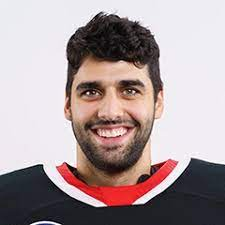
Kevin Mandolese, GL, 6’5, DOB 00, 6-157/18
2021-22 AHL 17GP .901/ECHL 6GP .916
2022-23 NHL 3GP .916/AHL 17GP .890/ECHL 7GP .927
As expected since he was qualified, the Sens re-signed RFA goaltender Kevin Mandolese (only two other qualified RFAs remain). He is the fifth ‘tender in the organization (behind the two one-way deals mentioned above along with Mads Sogaard and rookie Leevi Merilainen), which isn’t an inherent flaw, but it’s interesting that they decided to keep him after a very erratic three seasons with the team. There’s no question Mandolese has talent, but his problem has been consistency–this is truly a make or break year for him. The other thing his presence affords is the ability to trade a goalender. I think it’s quite likely the Sens would like to move Forsberg (given his regression to the mean last year as well as coming off two major injuries), although it’s difficult to imagine anyone taking him without something better thrown in.

This article was written by Peter Levi
The Alex DeBrincat Trade

When the Sens traded for DeBrincat last summer I immediately compared it to Dorion’s 2017 trade for Matt Duchene–a disastrous decision that contributed to needing a rebuild in 2018. The reaction from the fanbase in both instances was virtually identical, although I think the feelings about Duchene himself remained more positive when he was moved. Before we get into today’s trade with Detroit, let’s briefly remind ourselves how that prior move went for Dorion (for the deep dive read the article above):

2017
To Ottawa: Matt Duchene
To Nashville: Kyle Turris
To Colorado: Andrew Hammond, Shane Bowers, 1st-2019 (1-4 Bowen Byram), 2019-3rd (Matthew Stienburg)
2018
To Ottawa: Vitaly Abramov, Jonathan Davidsson, 1st-2019 (1-19 Lassi Thomson)
To Columbus: Matt Duchene, Julius Bergman

In retrospect Ottawa gave up Byram (and Stienburg) for less than two seasons of Duchene and prospect Thomson. I like Lassi, but I’d rather have Byram in my lineup. Let’s compare this to DeBrincat himself:

2022
To Ottawa: DeBrincat
To Chicago: 1st-2022 (1-7 Kevin Korchinski), 2nd-2022 (Paul Ludwinski), 3rd-2024
2023
To Ottawa: Dominik Kubalik, Donovan Sebrango, 1st-2024 (almost certain to be Boston’s), 4th-2024
To Detroit: DeBrincat

Because of the conditions attached to the 1st-round pick, it will likely be late (at best mid) and there’s no chance it’s in the top-10. Just like Duchene above, Dorion has converted a top-ten pick (the most successful part of the draft) into the crapshoot of later in the round for nothing (one meaningless season of DeBrincat). He lost a 2nd-round pick for nothing, and his 3rd has been turned into a 4th (almost certainly later than Ottawa’s own). There’s no question that in terms of future assets this is another enormous loss because everyone would rather have Bowen Byram and Kevin Korchinski on the Sens blueline rather than three meaningless seasons from Duchene and DeBrincat.

What about the tangible assets from the deal? What is being immediately injected into the Sens system?

Dominik Kubalik, LW, 6’2, DOB 95, 7-191/13 LA, 1yr/2.5
2021-22 Chi 78-15-17-32
2022-23 Det 81-20-25-45
He scored 30 goals in his rookie season with a talented Chicago team in 19-20, but his results the last two years are representative (receiving no boost from the NHL’s overall increase in scoring). If you were to slot his prior season in with Ottawa’s lineup he’s ahead of Shane Pinto and the idea has to be of him providing depth to the Sens otherwise anemic bottom-six (ahem, Mathieu Joseph). Kubalik was allowed to walk by the Blackhawks and Steve Yzerman has moved him after just one season–is that suggestive? Not necessarily, as Chicago was rebuilding and Detroit is retooling (and would rather have DeBrincat). He is, however, not locked in so the Sens can move him or walk away easily and it’s an excellent Cap hit for what he provides.

Donovan Sebrango, DL, 6’1, DOB 02, 3-63/20 Det, ELC/2yrs
2021-22 AHL 66-1-6-7
2022-23 AHL 39-4-3-7
This is an asset Yzerman wanted to be rid of (he spent about half of last season demoted to the ECHL–very much a Zach Senyshyn situation), so he’s part of the price the Sens have to pay to get rid of DeBrincat. He has two years left on his contract (including the upcoming one) and I suspect Dorion will look for a way to package him elsewhere before he finishes that out.

Let’s briefly assess and then summarize:
Positives: the DeBrincat situation has been resolved before the start of the season; Kubalik is a useful NHL player and arrives with a good contract; the Sens regained some of the draft equity they squandered; they have cap space to find a free agent and lock-up players like Pinto, Sanderson, etc
Negatives: Dorion (again!) overpaid for an asset he didn’t need so (again) failed to recoup the investment; just like with the Duchene trade above, there’s a good chance the entire fiasco ends with a modest asset like Lassi Thomson that is a pale shadow to what was given up in the first place; I don’t trust Dorion not to go overpay a free agent just to make a splash–I didn’t want five years for Korpisalo (or three years of Anton Forsberg for that matter) and I don’t want five years of an aging Tarasenko either (ask a stacked Rangers team how much he helped them). [The Detroit perspective doesn’t think much of the deal]

We can’t give the final assessment on the DeBrincat odyssey like we did with Duchene, but as it stands Dorion gave up: Kevin Korchinski (and Paul Ludwinski) for one season of DeBrincat in return for (possibly) one season of Kubalik and a late 1st-rounder. If that’s your return on investment, it’s time to get a new investor. Dorion rightfully received praise for some of the contracts he signed last summer (although lot’s not forget the hell he’s created for himself in that realm before, ala Colin White), but his ability to assess his team–where they are at, what they need–is hilariously and disastrously awful. Do we want to re-visit the Matt Murray trade? GMs are sometimes the victims of bad luck, but that’s not the case here. I’ve said it before and I’ll say it again: Dorion needs to go before he permanently damages the rebuild.

This article was written by Peter Levi

Ottawa Free Agency

After dealing with some unqualified RFAs (which includes bringing back Rourke Chartier, cf), the Sens have been busy signing players. Let’s take a look, with grades included:

Joonas Korpisalo, GL, DOB 94, 6’3, 3-62/12 Clb 5yrs/4.0
2021-22 Clb .877
2022-23 Clb/LA .913/.921
I have no idea why the Sens gave him five years (a sentiment largely echoed by the fanbase and reportersJason York is the only exception I’ve seen, with his argument being that you just don’t know with goaltenders so it could work out, he’s been a tandem with Forsberg before, and the cost is fine–it’s not much of an argument). Dorion was very excited by his age (clearly believing this is peak time for goaltenders), but this is massive term for a guy who has never played more than 39 games in an NHL season and struggled the previous two seasons (Mendes compares him to other ‘tenders with deals this long and none found success throughout and few found any success at all). It also indicates that the Forsberg-era (as the default starter) is over. The only plus, from my perspective, is that Sogaard is going to get more time in the minors, which he desperately needs (assuming the team is not going to move he or Forsberg–they currently have three AHL goalies signed or qualified). If this fails the Sens will have to buy him out, which is the Matt Murray scenario all over again at a reduced price. Ottawa has historically struggled to successfully sign or trade for goaltenders, with Craig Anderson being the lone exception with Dorion around (2011 is a long time ago). If there are positives, it’s that it echoes the recent lessons of the playoffs where winning isn’t about elite goaltenders, but an affordable tandem–a good but not great Chris Osgood. The other plus is the team didn’t spend assets in acquiring him (no picks, no players), so it’s just cap space. For a deep dive on the ‘tender, Yost digs into recent numbers and his conclusion echoes the general sentiment–the risk far outweighs the reward and the problem is the term. Keep in mind, neither Dorion (or York) are numbers guys–they don’t reject all numbers (height, weight, hits, etc), but advanced stats are for nerds, so no thanks. This means Dorion gambles blind, which is why so many of his moves don’t pan out (he’s coming off trading Filip Gustavsson for one year of a declining Cam Talbot–a decline all the stat people predicted).
Grade D: There’s no chance the deal works out for all five-years and a decent chance it doesn’t work at all; it’s a panicked move by Dorion who realized Sogaard wasn’t ready and was swayed by the most recent performance for the ‘tenders available

Travis Hamonic, RD, DOB 90, 6’2, 2-53/08 NYI 2yrs/1.1
2021-22 Van/Ott 43-4-6-10
2022-23 Ott 75-6-15-21
He waited until free agency to re-sign. The org and he disagreed over term initially and two years seems to be the compromise. While I don’t know that I would have brought him back, the cost is low and moving him (or burying him) is feasible. It helps that he wants to remain in Ottawa and clearly will be a good soldier for the org. I suspect one of the reasons for his retention is related to a plan to move Brannstrom at some point.
Grade C: It’s an adequate if underwhelming decision (he won’t win you games, but he likely won’t lose you games either).

Zack MacEwen, CR, DOB 96, 6’3, undrafted QMJHL 3yrs/0.775
2021-22 75-3-6-9 Fights: 12
2022-23 56-4-6-10 Fights: 7
A three-year deal for a fighter is absurd. It’s classic Dorion (eg) and the cap hit is minimal, but why? Ottawa has no use for an enforcer (we can argue no one does). The argument is that Tkachuk will have to fight less (this is exactly what Marc Methot said, although we know Marc’s opinion could change in a few months), but Brady can already choose to not fight. No one is obliged to fight MacEwen (as his declining totals illustrate and why the enforcer role has disappeared) and that’s all he can do usefully at this level. Admittedly, new ownership can safely bury him in the minors, but why put yourself in that situation?
Grade F: A completely pointless move based on what the league was like 30-years ago and he’ll be moved or bought out before he completes the term.

Along with the NHL signings the org has picked up some pieces for the BSens and the usual bizarre off-season decisions for Belleville continue (Incidentally, I must have missed something about two-way deals, as it seems every player is getting the same amount, 775k):

Josh Currie, RW, DOB 92, 5’10, undrafted QMJHL 1yr/0.775
2021-22 KHL 48-10-16-26
2022-23 KHL 48-3-9-12
Career AHL numbers: 321-113-98-211 0.66
Played his way out of the KHL and the Sens have a mixed record with players coming back from Europe. He wasn’t a dominant AHL player before, being a top-six who shoots first. There’s also a concern his career is in decline (and why Currie instead of the ascending Lucchini?).
Grade B-: His AHL-numbers are solid, but not spectacular and there’s a chance his career is heading in the wrong direction and he’s eating up a veteran slot (so good luck moving him)

Matthew Highmore, LW, DOB 96, 5’11, undrafted QMJHL 1yr/0.775
2021-22 NHL 46-5-7-12
2022-23 AHL 68-19-42-61
Career AHL numbers: 165-50-75-125 0.76
Someone with unimpressive NHL numbers (139-12-15-27) who seems like they can add offense at the AHL-level (although it’s worth pointing out this past season was his best in the AHL).
Grade B: This is the signing I like most because he’s the most likely to be able to produce second (or even first) line support numbers for the BSens.

Bokondji Imama, LW, DOB 96, 6’1, 6-180/15 TB 1yr/0.775
2021-22 AHL 54-5-7-12 Fights: 12
2022-23 AHL 50-5-10-15 Fights: 7
Career AHL numbers: 257-26-36-62 0.24
The Montreal native only does one notable thing as a pro: fight. Even though fighting is down across the league, the Sens always have at least one enforcer on the BSens roster. This suggests that Scott Sabourin is not returning. The signing echoes MacEwen‘s above, although hopefully Imama can actually play and not just fight.
Grade D: This could be an F, but I don’t know if he can play the game or not.

Garrett Pilon, CR, DOB 98, 5’10, 3-87/16 Wsh 1yr/0.775
2021-22 AHL 60-17-25-42
2022-23 AHL 53-11-18-29
Career AHL numbers: 259-60-96-156 0.60
Yet another ‘son-of’ situation (Rich is his father), the Sens are taking a risk that his down year was just a fluke and that he can provide scoring for the BSens.
Grade D: This is a veteran contract spent on a player coming off a terrible year–why take the risk?

And here’s a few AHL-contracts:

Brennan Saulnier, CL, DOB 93, 6’0, undrafted NCAA
2021-22 AHL 43-3-3-6 Fights: 6
2022-23 AHL 30-6-9-15 Fights: 5
Don’t be fooled by his spike in production, at this level Saulner is a physical, agitating player who fights. Despite his age the past two seasons are his first as a (semi) regular in the AHL.
Grade B: There’s a chance Saulnier regresses, but being on an AHL-deal means that’s fine, he can still function as depth (as in, he doesn’t need to produce at the same level).

Ryan MacKinnon, DR, DOB 94, 6’0, undrafted QMJHL
2021-22 AHL 25-2-1-3
2022-23 AHL 20-0-3-3
I have no idea what the org was thinking here, as he’s shown no ability to be a regular AHL-player (for those wondering he was a skilled junior player, so he’s not added for sandpaper).
Grade F: No idea what anyone was thinking here.

Graham McPhee, LW, DOB 98, 6’0, 5-149/16 Edm
2021-22 33-5-6-11
2022-23 41-1-5-6
AHL career numbers: 77-6-11-17
The ‘son-of’ continues (this time of exec George). I have no clue why the Sens brought him back, as his AHL career has largely been hopeless (he even bombed out in the Tier-2 league in Austria) and he’s not a grinder.
Grade F: No idea what anyone was thinking here (this is especially bad because I’ve seen him play so I know what the org saw too).

Mark Sinclair, GR, DOB 96, 6’0, undrafted NCAA
2021-22 NCAA .905
2022-23 ECHL .915
Spent his college career getting pummeled on a terrible Alabama team, but did well with Cincinnati this past season (he played one game for the BSens, where he was excellent). It’s a solid signing, as he’s currently the fourth goaltender in the system.
Grade A: The high grade is because, given the information available and what you are asking him to do, this is spot on.

We have some follow-up to the NHL’s decision to not enforce Pride and other ‘statement’ jerseys on its players, and it’s a clever solution I did not discuss at the time: have the players/NHLPA front the issue. In this way the league gets to have their cake and eat it too. No one is going to protest players doing what they want, so the league can officially not promote issues while still having them promoted. Certainly the outrage about the decision was barely a blip, which was helped by the timing of it (right before the draft and free agency).

This article was written by Peter Levi

Ottawa’s Draft, Development Camp, Signings, and the Curse of Curtis Lazar

Historically Dorion has not done well with late picks, but has better than average results in the 4th. As one would expect, across the league the 7th-round is a crapshoot (about 1 NHL player per draft) and the fifth is not much better (with 2). All this is to say it would not surprise me if this draft echoes Ottawa’s disastrous 2014 effort where none of the prospects panned out. Here are the picks:

Hoyt Stanley (4-108), DR, DOB 05, 6’3
BCHL 53-4-34-38 1st
Slated to attend Cornell, there’s no rush for Stanley (or any of the other prospects). The Sens have a miserable track record from the BCHL (Tychonick and Loheit from ’18 come to mind, although after that only ’22’s Dyck has been picked from there), but even a stopped clock is right twice a day, so fans can hope (the ‘success’ is Derek Grant in ’08). The Sens say he’s a good, skilled defenseman.

Matthew Andonovski (5-140), DL, DOB 05, 6’2
OHL 67-0-16-16 6th
He’s big, can skate, but with limited offensive tools. Does that sound familiar? It should, as that’s the exact same MO as past OHL-pick Ben Roger (2021 draft); those offensive skills never did develop for Roger and that’s what I’d expect here. The desire for a bruising blueliner goes back to the beginning for Dorion and the only thing that’s changed is skating has been added to the mix–the thing is, if you can’t make a pass, that’s not enough for the current NHL. The org’s take on him (link above) is that they like his hockey smarts.

Owen Beckner (7-204), CL, DOB 05, 6’2
BCHL 53-17-33-50 t-1st
Committed to Colorado College, he’s another player who can marinate in the NCAA for awhile. I referenced Ottawa’s bad luck with the BCHL, so keep that in mind (Grant remains the exception). The Sens rambling (link above) explanation is that they like his penalty killing and he’s competitive.

Vladimir Nikitin (7-207), GL, DOB 05, 6’4 (pick via the Gudbranson trade)
Kazahkstan .921
The Sens are always intrigued by tournament success, which is what made the ‘tender stand out (no scout made the trek to watch the Kazahkstan league); that performance plus being signed by BCHL’s Chilliwack has landed us the prospect. There’s no rush for him, as he’ll presumably move on to the NCAA if he does well. The seventh-round is the place to take chances, so I’m perfectly fine with the shot in the dark. The Sens said they like the package and the path he’s on (link above).

Nicholas VanTassell (7-215), RW, DOB 04, 6’4 (pick via the Motte trade)
USHL 62-19-18-37 6th
Overager is committed to U-Mass; his unimpressive USHL numbers are worrying, so while he’ll have plenty of time to develop I’d set my expectations low as it’s not clear to me what exactly the org is hoping for with him. The Sens said he’s big (link above). Size. Big. Did I mention he’s big? Bigly. Big.

In terms of what happened to their traded picks in the draft:
1-12 (Ari) Danill But (Chychrun trade)
2-44 (Chi) Roman Kantserov (Zaitsev trade)
3-76 (Stl) Juraj Pekarcik (via Tor via the Murray trade)
6-172 (Phi) Ryan MacPherson (via P. Brown trade)

Signings

Re-signing Jacob Larsson (who they did not qualify as an RFA) is a classic Dorion move. What’s the left side in Belleville like? We have big, lumbering Dillon Heatherington signed, so why not retain another big, lumbering player to join him? How did that work last season? It didn’t, so let’s try it again. I think the rationale is less about the BSens than having spare parts for the NHL, but still, not an inspiring choice.

Re-signing JBD was inevitable–I think he’s massively overrated (he’s an adequate if underwhelming AHL defenseman), but his contract is cheap enough (2yrs/805k) that he’s moveable. What I expect we’ll see in the upcoming season is, as his limitations are exposed, the fanbase will turn on him (mid to late season), but right now we’ll just see positives about it.

Brannstrom‘s one year deal (2m) seems like the prelude to a trade–no long term commitment and affordable. I think Dorion lost interest in him a long time ago, but tried very hard to pump his tires at the end of the season to bait other GMs to want him.

Development Camp

The Sens Development Camp is here and it’s always fun to look at the invitees (keeping in mind it’s a virtual lock that none will become even part of the BSens roster):
Goalies
Riley Mercer, DOB 04, QMJHL, .902
Backup behind the undrafted Jacob Goobie (who had an awful year)
Charlie Schenkel, DOB 04, OHL, .894
6’6 local guy; backup to the undrafted Samuel Ivanov (who had an awful year)
Defensemen
Drew Bavaro (R), DOB 00, NCAA, 37-6-13-19
Second in scoring behind Colorado pick Nick Leivermann (7-187/17)
Caeden Carlisle (L), DOB 04, OHL, 59-5-13-18
Third in scoring; leader and Vancouver pick Kirill Kudryavtsev (7-208/22) had almost three times as many points; no relation to former BSen Chris
Alexis Daviault (L), DOB 05, OHL, 71-4-18-22
Undersized (5’11) local boy a distant third in scoring
Roberto Mancini (L), DOB 03, OHL 66-13-12-25
Local boy was a distant fourth in scoring
Bronson Ride (L), DOB 05, OHL 71-4-12-16
6’6 was a distant fifth in scoring
Djibril Toure (R), DOB 03, OHL 57-5-11-16
6’7 switched from junior-B to the OHL this past season; seventh in scoring
Forwards
Daniil Bourash (RW), DOB 04, QMJHL 66-41-29-70
Belarussian was second in scoring behind the undrafted Tristan Allard (who has signed with Syracuse in the AHL)
Cole Burbidge (CL), DOB 05, QMJHL 68-19-31-50
Finished a distant second to the undrafted Brady Burns
Connor Clattenburg (LW), DOB 05, OHL 56-2-8-10
Local boy who lead his team in PIMs; teammate of Carlisle above
Tarun Fizer (CR), DOB 01, ECHL 62-27-23-50
The former WHLer is an oddity, as you don’t see minor pro players in camps like this very often; he was second in scoring behind the undrafted Cameron Wright
Mitchell Martin (LW), DOB 03, OHL 47-13-21-34
Big winger finished eighth in scoring
Stuart Rolofs (LW), DOB 03, OHL 62-32-29-61
Local boy finished second in scoring behind the undrafted Ryan Gagnier
Tyler Savard (LW), DOB 03, OHL 56-17-30-47
Seventh in scoring on a stacked team
Ty Thorpe (CR), DOB 02, WHL 65-37-34-71
Lead his team in scoring and played a few games in the ECHL; teammate of first-round pick Samuel Honzek (1-16/23 Cgy)
Ethan Whitcomb (LW), DOB 04, USHL 53-24-24-48
Second in scoring on a rebuilding roster (top scorer and Buffalo pick (6-170/22) Jake Richard was traded mid-season)

The Curtis Lazar effect

It’s difficult to imagine a less impressive first-round ‘success’ than Lazar (1-17/13; 453-38-57-95), but the guy must interview well or have a fabulous agent because he keeps getting contracts. I wanted to illustrate that not only is he meaningless statistically, but that he drags down every team he plays for (a bad luck charm, if you will). Let’s look at his season-by-season dance card:

14-15 Ott – wild card loses 2-4 to Mtl
15-16 Ott – missed playoffs
16-17 Cgy (2nd (Alex Formenton) trade; GM Treliving) – wild card loses 0-4 to Ana
17-18 Cgy – missed playoffs
18-19 Cgy – western champs lose 1-4 to Col (spent the year in the minors)
19-20 Buf – missed playoffs
20-21 Bos (Taylor Hall trade; GM Sweeney) – 3rd seed loses in 2nd round 2-4 to lower seed NYI
21-22 Bos – wild card loses 3-4 to Car
22-23 NJ (pick trade; GM Fitzgerald) – 2nd seed loses in 2nd round 1-4 to Car

Inexplicably he’s made the playoffs six times ((30-2-1-3; three by trade), where he’s often a healthy scratch; he cannot help lower seeded teams win and drags down higher seeds–for the love of god stop signing him! Calgary had it right when they buried him in the minors (18-19).

This article was written by Peter Levi
DeBrincat on the Move and Ottawa’s RFA Decisions

My belief, expressed back in April, that the local rumours about moving DeBrincat ultimately originated from within the org, seem justified as Pierre Dorion has finally made public his desire to move the player. This dovetails into what I said when he was acquired back in the summer, which was that there was a good chance the deal would ultimately fail. Dorion has already admitted he has no hope of getting back the value he gave up for the player (a top-ten pick, an early 2nd, and a 3rd next draft), hoping for something like a 2nd or 3rd round pick. So, as I’ve asked repeatedly since he was acquired, what was the point of trading for him? One year of DeBrincat for what (moving from 26th to 20th overall)? Dorion tends to get a free pass and this has been helped this time by drip feeding this eventuality for the last two months. As I said last summer, his acquisition echoes that of Matt Duchene and with similar results (I’m not sure how many people realize Dorion has surrendered the 4th and 7th overall picks for players who didn’t get the team into the playoffs and who spent less than two seasons with the org). This is one of the reasons why I don’t trust Dorion and I’m hopeful his days as GM are numbered.

Dorion also talked about how the team has dealt with their RFAs:
Qualified: Brannstrom, Pinto, Sokolov, Bernard-Docker, and Mandolese
Not qualified: Gauthier, Gambrell, Lodin, Ferguson, Larsson, and Aspirot

Those not qualified all had arbitration rights and in theory could be brought back as FAs (I don’t know that any are worth bringing back, but keep that in mind–if I was going to guess there’s a chance someone like Aspirot could return on an AHL-deal). Among those qualified, only Brannstrom has arbitration rights, but I’d expect him to be signed and/or moved long before that. The only surprise for me was retaining Mandolese (cf), although that may be as an extra piece to move or as depth going forward.

It’s funny, but not long after saying the Sens didn’t need to add anymore skill, Mendes says that the team needs one or two top-six forwards. I can’t even pretend to understand what’s changed for him between June 9th to June 26th, but it echoes a similar about face from Marc Method on Zub’s contract (that change took about four months).

This article was written by Peter Levi

Sens News & Notes

Recently former Sens and current commentator Marc Methot commented (46:40, since the YTers don’t timestamp their podcast) that Artem Zub is a bottom-pairing player and the Sens will regret his contract extension. This is interesting, because just in December Methot called the signing ‘a steal’. In context, his comment seems based on his estimation of the kind of player Tyler Kleven will be (which would explain the abrupt about face, since the tiny sample of Kleven and Zub‘s injury-plagued year are paired in Methot’s head). It’s also highly amusing how fearful Methot is of analytics (see below). If you’re asking what separates the two players in Methot’s mind, given the context (the Sens content is largely about Brannstrom), it’s that Kleven is a more physical player–we all know how much Methot values the physical dimension (look at how a big, physical team like Calgary is dominating in the playoffs right now). What’s funny to me is how easily Methot flipped the switch on someone who was one of his favourite players, which he blames on this season (and given his Tweet, clearly very late in this season). As for my opinion, I do think Zub was overpaid for what he does, however I think it’s a less ridiculous contract than others Dorion has signed and it’s more easily moved if the Sens decide he doesn’t fit into their plans (since defensive defensemen are overvalued in the league).

Jiri Smejkal, LW/C, Nov/96, 6’4, SHL 49-23-20-43 0.87
I was surprised when the Sens signed Jiri Smejkal out of the SHL (1yr/950k), although perhaps I shouldn’t be since they did something similar with Olle Alsing in 2019. The Czech forward was 6th overall on Pronman’s list of FAs and 2nd out of Europe. An older player (26), it’s uncommon for an NHL talent to be found at that age, but it does happen. Smejkal bounced around early in his pro career, but found his footing in Finland and was able to translate that production into the SHL this past season. He’s not an unknown quantity, as he spent two years in the WHL (2014-16) playing for Moose Jaw and Kamloops. According to Pronman he’s a: “Big, powerful winger with good skills who can help on both special teams. His skating is just OK and whether he will score in North America is a question.” The Sens have never been shy about poor skating, although watching the speed in the playoffs you have to wonder how much that approach will hurt them. More importantly, let’s try to unpack his successful seasons:

20-21 Liiga (Tappara) 48-9-17-26 0.54 6th
The 6th most productive forward on a team, but the most productive import (ahead of Charles Bertrand); former Sens prospect Ben Blood (4-120/07) was on the roster, which is funny to see
21-22 Liiga (Pelicans) 44-25-20-45 1.02 2nd
Played on the top line lead by former Vancouver prospect Lukas Jasek (6-174/15) and there’s a further connection as Jasek has signed with Oskarshamn for next season; as a prospect in the AHL Jasek was unremarkable save his last (half) season in his fourth year (he never played in the NHL)
22-23 SHL (Oskarshamn) 49-23-20-43 0.87 3rd
Finished well behind the team’s top two players, Patrik Karlkvist and Antti Suomela (the latter spent time in San Jose and Toronto’s organizations, playing 51 games for the Sharks with middling AHL numbers), but he was able to remain productive despite a step-up in competition

What can we expect from Smejkal? He’s on a two-way contract and there’s a good chance he spends most of his time in Belleville. His offensive output in European leagues is solid, but not spectacular. He should be productive in the AHL, but his NHL window is as a depth forward. While he’s big I’m not expecting him to crash and bang, but that’s not what’s required. I think he’s a reasonable gamble for the Sens to make, even though they are loaded on the left side. If we want to go into conspiracy theories, perhaps the Sens grabbed Smejkal in order to trade some of their prospects on that side–time will tell.

Back to Methot: I haven’t seen him in quite some time (he left Coming in Hot in the fall, which is the only hockey show I sometimes watch) and I was amused to see how much he complained about people arguing with him on social media about his opinions. The problem for Methot is that his arguments are based on feelings–he’s not a numbers guy–so it’s a bit like religion. If the world was made in six days and you don’t think evidence for that to be true is required, it’s going to get really annoying when people keep asking you about all those fossils lying around. I think Methot is a fun guy to hear from, but like a lot of ex-players he struggles to understand that just playing the game does not make your opinions bulletproof (nor is it a get-out-of-jail-free card in arguments). I think he’d be a a better commentator if he became comfortable with analytics and learned how to incorporate that into what he experienced and sees. Just a thought.

This article was written by Peter Levi

Sens Prospects Turning Pro Next Season

As an adjunct to my BSens review (as well as future speculation about Ottawa’s roster), let’s take a look at Sens prospects who will or could be turning pro for the 2023-24 season. Those below in green are signed to an ELC.

Assumptions:
Jorian Donovan has to go back to junior (his only other option is playing in the NHL)
Luke Loheit (CR, 7-194/18, via the Mika Zibanejad trade) won’t be signed
–Jonny Tychonick (LD, 2-48/18, a pick acquired as part of a pick-swap to get JBD) won’t be signed (he turned pro with Toronto’s ECHL affiliate; technically the Sens hold his rights until August 15th)
-Jakov Novak (C/LW, 7-188/18) signed with the Allen Americans, who are Ottawa’s ECHL affiliate, so in theory he could get a PTO or AHL-contract from the BSens
Leevi Merilainen (G, 3-71/20, pick acquired in the Dylan DeMelo trade) will be playing in Belleville.

We also need to keep in mind what we know about Belleville’s roster next season. Given the nature of the AHL, many spots are up for grabs and prospects can graduate to the NHL, but here’s how things stand right now (those with a decent chance to be on Ottawa’s roster are in italics):
Signed
Goaltenders (2): Merilainen, Sogaard
Defense (3): Thomson (R), Guenette (R), Heatherington (L)
Forwards (5): Jarventie (LW), Greig (C/LW), Crookshank (LW), Daoust (LW), Reinhardt (LW)
RFA
Goaltenders (2): Mandolese, Ferguson
Defense (3): Bernard-Docker (R), Aspirot (L), Larsson (L)
RFA (2): Lodin (C/LW), Sokolov (RW)
This means there’s plenty of room at forward, especially on the right side and at center, while the same applies to defense on the left side.

Pro Candidates

Stephen Halliday (Jul/02) CL, (4-104/22), NCAA 40-9-32-41
The only prospect the Sens don’t have to sign who could be signed (given his season); I don’t think it’s likely (memories of Louie Caporusso loom–still playing in the ECHL after years in Europe), but no one else for whom a decision must be made is anywhere near turning pro.

Ben Roger (Nov/22) RD, 2-49/21, OHL 49-2-11-13
Selected after a pick-swap with St. Louis; he signed an ATO with the BSens towards the end of the season, but never dressed (unlike Donovan). Despite his early selection (2nd-round), he was picked on hope–that puck skills would evolve–but that’s almost never the case (unlike defensive play or skating). I’m not sure what the Sens will do with him–the numbers don’t support signing an ELC, but they clearly like the package he represents.

Tyler Boucher (Jan/03) RW, 1-10/21, OHL 21-10-7-17
Since he was drafted he’s struggled, but barring a trade he’ll be trying to justify his draft position in Belleville. There’s a lot to criticize about the pick, someone whosenot going to score that much, though, due to a lack of offensive IQ and NHL speed, but he could be a “hard to play against” bottom-six winger who plays every day.” He’s also struggled to stay healthy (often the case with rugged players), with just 89 games over the last three years.

Carson Latimer (Jan/03) RW, 4-123/21, WHL 53-14-26-40
The pick acquired as part of a pick-swap with Carolina; his claim to fame was speed, but his junior numbers never really evolved so I suspect he’s not in the org’s future plans.

Zach Ostapchuk (May/03) CL, 2-39/21, WHL 55-31-36-67
A pick via the Karlsson trade; not a top-line player, but projects as a third or fourth-liner who will get plenty of ice time in Belleville. The latest sentiment: “I don’t think he’s going to be the most natural scorer as a pro who makes a ton of plays, but he has some offense. I think he’s for sure a bottom-six winger, with a chance at more if his offense is more consistent.” Keep in mind that Corey Pronman generally thinks no one will score much at the NHL-level, but in this case I think his assessment is fair.

Chandler Romeo (Jul/03) LD, 7-202/21, OHL 54-9-8-17
Picked because of his size and fitness, but just like Roger above, the puck skills are modest. He is a big blueliner, so there’s a chance the org will give him a shot (perhaps on an AHL-contract).

Tomas Hamara (Mar/04) LD, 3-87/22, OHL 56-2-15-17
Pick acquired in the Mike Reilly trade; because he was drafted from Europe, he could turn pro, but given his lackluster season in the OHL I think the Sens will let him play another year before doing so. He seems like a carbon copy of JBD. “As a 6-foot defenseman who doesn’t excel at either end it’s unclear what his NHL role would be, but he has a good enough toolkit to be a third-pair defenseman.” I have no idea why the Sens were so eager to sign him, but maybe this was an off year for the Czech defender.

What I think we’ll get is Boucher and Ostapchuk in Belleville; possibly Novak on an AHL-deal, with an outside chance of Romeo or Roger getting something similar.

This article was written by Peter Levi

Belleville Senators 2022-23 Season in Review

Just like last year, I’m going to review the team starting with individual performances and then talk about the season overall. We’ll start with a basic list. Rookies are in italics; those in green were added during the season, those in red were removed. I’ve excluded those who appeared in just a few games to avoid a mass of inconsequential clutter.

Basic Stats

Forwards
Jake Lucchini 61-19-34-53 0.87
Egor Sokolov 70-21-38-59 0.84
Cole Cassels (SEL) 64-12-39-51 0.80
Philippe Daoust 9-2-5-7 0.78
Roby Jarventie 40-16-14-30 0.75
Ridly Greig 39-15-14-29 0.74
Rourke Chartier 40-20-8-28 0.70
Angus Crookshank 71-26-21-47 0.66
Scott Sabourin 51-16-17-33 0.65
John Quenneville (SEL) 25-4-11-15 0.60
Viktor Lodin 28-6-9-15 0.54
Cole Reinhardt 66-11-23-34 0.52
Brennan Saulnier (T-Mtl) 30-6-9-15 0.50
Jayce Hawryluk (T-NJ) 19-3-5-8 0.42
Matthew Boucher 50-6-10-16 0.32
Jarid Lukosevicius (released) 52-7-6-13 0.25
Matthew Wedman 41-3-5-8 0.20
Kyle Betts (released) 40-1-2-3 0.08
Graham McPhee (T-Edm) 14-0-1-1 0.07
Defensemen
Lassi Thomson 56-7-36-33 0.59
Maxence Guenette 72-5-35-40 0.56
Jonathan Aspirot 43-5-11-16 0.37
Jacob Larsson 55-4-13-17 0.31
Dillon Heatherington 60-4-11-15 0.25
Jacob Bernard-Docker 41-2-4-6 0.15
Kristian Rubins (T-Cgy) 42-2-4-6 0.14
Xavier Bernard (T-Edm) 17-0-1-1 0.06
Dylan Blujus (T-NJ) 5-0-0-0 0.00
Goaltenders
Leevi Merilainen (Liiga) 3-0-0 2.06 .933
Dylan Ferguson (T-Tor) 6-1-0 2.30 .926

Antoine Bibeau 9-10-2 3.51 .894
Mads Sogaard 6-10-2 3.47 .893
Kevin Mandolese 6-8-3 3.33 .890

Veterans

This is arranged by age because I think that’s useful in considering where a player is at in their career. I’ve included their numbers from last year after a dash for perspective. As a reminder: rookies are in italics; those in green were added during the season, those in red were removed; I’ve included total pro games in anticipation of their status for next season (this is to reflect the veteran rule, wherein 260 games–AHL, NHL, European elite leagues–is the cut off–this works a bit differently for prospects but I won’t go into the weeds of that).

Scott Sabourin, RW, 1992, re-signed FA (undrafted OHL); 51-16-17-33 (0.65)40-5-12-17 (0.33); career: 43 NHL/405 AHL
A career year for the veteran, who was re-signed in the summer; he fought less than last year (5 vs 7), with the team fighting slightly more (24 over 22); this is his first year with the org where he was not called-up to the NHL. Future: I’m fine if he stays or leaves, but I expect the org would like him to stay.

Brennan Saulnier, CL, 1993, trade-Mtl (undrafted NCAA); 30-6-9-15 (0.50)43-3-3-6 (0.14); career: 89 AHL/74 ECHL
The Sens have had good luck taking assets from Laval and making them useful (this was a career year for him)–he’s no Lucchini, but for a marginal AHL player these are good numbers. He’s the only player other than Sabourin to have multiple fights (5), which is one less than the year prior. Future: depending on other decisions, I could lean either way, but there’s a chance his season was a fluke that can’t be repeated.

Dylan Blujus, DR, 1994, trade-NJ (2-40/12 TB); 5-0-0-0/24-1-4-5 (0.21)43-1-10-11 (0.25); career: 362 AHL/27 ECHL
Unfortunately a pointless late-season move by the BSens, as they missed the playoffs and Blujus barely played (presumably he’s the future considerations for Hawryluk). Future: None (there’s just no place for a declining veteran like him).

Antoine Bibeau, GL, 1994, FA (6-172/13 Tor); 9-10-2 3.51 .8944-1-2 2.48 .905; career: 4 NHL/225 AHL/14 ECHL
Signed in the summer after becoming the 5th goalie in Seattle; he had a glorious opportunity to show his stuff due to injuries, but instead had his worst save percentage since his sophomore year in the QMJHL. Future: None (when the team needed him most he failed to perform).

Jarid Lukosevicius, RW, 1995, PTO (undrafted NCAA); 52-7-6-13 (0.25)62-10-9-19 (0.30)released from PTO
The Sens prospect pool is limited on the right side, which helped keep him around for much of the season (despite an absurdly unproductive streak to end his tenure, 24-0-1-1).

Cole Cassels, CR, 1995, Allsvenskan (3-85/13 Van); 64-12-39-51 (0.80)70-6-19-25 (0.36); career: 419 AHL/63 Europe
Failed out of Sweden and the org took another chance on him (having played for the BSens in 2019-21)–he had a career season. Future: It will be interesting to see what he happens to him–his greatest success as a pro has been in Belleville, but after a season like this there’s more money to be made elsewhere (Europe in particular). I’d be fine with him returning, although we have to treat this career season with caution.

Dillon Heatherington, DL, 1995, re-signed FA (2-50/13 Clb); 60-4-11-15 (0.25) (3 NHL games) – 45-2-11-13 (0.29); career: 23 NHL/418 AHL/41 Europe
Signed a two-year extension in the summer; the lumbering blueliner is what he is–he’s fine for what he does at this level. Future: has one year remaining on his contract.

Jake Lucchini, LW, 1995, re-signed FA (undrafted NCAA); 61-19-34-53 (0.87) (11 NHL games) – 72-20-31-51 (0.71); career: 11 NHL/237 AHL
Acquired from Laval last season, he was re-signed after his breakout campaign and this year improved on that. Future: the Sens should bring him back if he’s interested, especially since this upcoming season is the last where he doesn’t fall under the veteran contract category.

Jayce Hawryluk, RW, 1996, FA (2-32/14 Flo); 19-3-5-8 (0.42)SELtraded to New Jersey for future considerations
Signed after an unremarkable season in Sweden; he had played for the org previously as a waiver pick-up (2019-20), but he was well below his AHL averages this year (0.64) and jettisoned.

Rourke Chartier, CL, 1996, re-signed FA (5-149/14 SJ); 40-20-8-28 (0.70) (6 NHL games) – 33-10-15-25 (0.76); career: 19 NHL/222 AHL
Like Lucchini above, he was picked up early last season and performed well enough to be brought back. He cannot stay healthy (40 games this year is the most he’s played since 67 in 2016-17), but when he’s in the lineup he’s productive. Future: a good candidate for the BSens to bring back, especially since his injury issues means (like Lucchini) he’s not yet hit veteran status.

John Quenneville, RW, 1996, SEL (1-30/14 NJ); 25-4-11-15 (0.60)16-1-1-2 (0.12); career: 42 NHL/215 AHL/65 Europe
Like Cassels, he was brought in from Sweden (where he was having a solid season) to fill out the weak right side. This was a down year for him given his career AHL numbers coming into it (0.75). Future: I don’t expect the team to retain him, although I wouldn’t consider it a calamity if they do.

Matthew Boucher, LW, 1997, PTO (undrafted QMJHL); 50-6-10-16 (0.32)career: 55 AHL/77 ECHL
Boucher was consistently inconsistent all year. His difficult path to pro was the Q to Canadian University to the ECHL, being productive at every level except the AHL thus far. Future: If he’ll accept an AHL contract he makes for useful depth, but I wouldn’t invest in him more than that.

Kyle Betts, CL, 1997, PTO (undrafted NCAA); 40-1-2-3 (0.07)NCAA – released from his PTO
Even as a depth forward, you want more from him, so I wouldn’t expect to see him with the org again.

Graham McPhee, LW, 1998, trade-Edm (5-149/16 Edm); 14-0-1-1 (0.07)/41-1-5-6 (0.14)33-5-6-11 (0.33); career: 77 AHL
Presumably the price to be paid for moving Bernard; he added nothing to the roster and has likely played his way out of the AHL (over four years: 77-6-11-17 0.22). Future: None.

Matthew Wedman, LW, 1999, re-signed FA (7-199/19 Flo); 41-3-5-8 (0.20)70-11-6-17 (0.24); career: 111 AHL
A depth player with size but poor skating. Future: He could stay, he could go (it’s an AHL-contract after all)–the Sens may have expected more out of him in his sophomore year.

Prospects

Jacob Larsson, DL, 1997, FA (1-27/15 Ana); 55-4-13-17 (0.31) (7 NHL games) – 55-2-13-15 (0.27); career: 172 NHL/191 AHL
Posted near identical numbers from when he’d failed out of Anaheim’s organization. Future: I don’t think he adds anything meaningful to the roster, so I’d let him walk, but we’ll see what the Sens do (he’s an RFA and the Sens will want at least one other older blueliner on the roster).

Kristians Rubins, DL, 1997, FA (undrafted WHL); 42-2-4-6 (0.14)58-1-10-11 (0.19) traded to Calgary for future considerations
One of the more puzzling signings in the off-season, as the Toronto castoff was simply a weaker echo of Larsson and Heatherington (how many big, lumbering blueliners do you need?)–the org jettisoned him in March.

Dylan Ferguson, GL, 1998, trade-Tor (7-194/17 Dal); 6-1-0 2.30 .926 (2 NHL games)/2-2-0 3.12 .8885-4-1 2.90 .907; career: 3 NHL/ 29 AHL/27 ECHL
A steal from Toronto, even if he did not play many games. Future: I’m not sure if he did enough to stay (it will depend on what they want to do with Sogaard–if he remains in the NHL, then RFA Ferguson is easy to keep as a pairing with Merilainen, but if not then there isn’t room for him).

Jonathan Aspirot, DL, 1999, undrafted QMJHL; 43-5-11-16 (0.37)47-5-13-18 (0.38); career: 161 AHL
The RFA cannot stay healthy, having never played more than 47 games in his four seasons with the org. Future: His production hasn’t changed as a prospect at all, but the argument for him is depth (he’s easy enough to keep), so we’ll see what they do.

Viktor Lodin, C/LW, 1999, 4-94/19; 28-6-9-15 (0.54) – SEL; career: 1 NHL/38 AHL
Future: Injury robbed the RFA of his season and I fear the Sens will walk away because of it. Projecting is difficult, but there’s a chance he could be a 3rd-4th line NHL player with offensive touch (the kind Ottawa is lacking right now). On the other hand, he could also be Roman Wick–which is to say, not quite talented enough for the NHL–we just don’t know.

Angus Crookshank, LW, 1999, 5-126/18; 71-26-21-47 (0.66) – injured; career: 90 AHL
After missing a full season he caught fire towards the end of this one (18-7-8-15); if he was a better skater there’s definitely a place for him at the NHL-level (a smaller, agitating player with some offensive touch), but I think that’s up in the air. Future: He has a year left on his ELC, so plenty of time for him to develop.

Cole Reinhardt, LW, 2000, 6-181/20; 66-11-23-34 (0.52)70-15-15-30 (0.43); 1 NHL/169 AHL
I’ve been hard on him since he was picked, but there were signs of progress despite lengthy cold streaks (1 assist in 12 games in December and no points in 9 in January); he ended the season well (15-5-6-11). Future: A useful AHL-player, but NHL-potential still seems a long way away. He’s going into the final year of his ELC.

Egor Sokolov, RW, 2000, 2-61/20; 70-21-38-59 (0.84) (5 NHL games) – 64-19-31-50 (0.78); 13 NHL/169 AHL
The popular Sokolov improved on last year’s numbers; his issue remains skating–can he keep up at the NHL-level? Future: If we get the classic Dorion deal of 1 year two-way, 1 year one-way, we’ll know the org envisions him on the NHL-roster; if we get a 1 year, two-way deal, then they haven’t made up their minds.

Xavier Bernard, DL, 2000, FA (4-110/18 NJ); 17-0-1-1 (0.05)21-0-2-2 (0.09) traded to Edmonton
Signed a two-year AHL deal two seasons ago, but was unable to be a regular player in Belleville and that reality finally set in with the org late in the season and he was shipped off.

Jacob Bernard-Docker, DR, 2000, 1-26/18; 41-2-4-6 (0.15) (19 NHL games) – 58-2-7-9 (0.15); career: 32 NHL/99 AHL
One of the most anemic offensive players I’ve ever seen, showing no improvement over his rookie season–atrocious numbers, and if you can’t make a good first pass there’s no long term future in the NHL. Despite that, the org loves him (not unusual when it comes to defense-first blueliners). Future: An RFA, it will be interesting to see what kind of deal Dorion gives him–I’d love to see him dealt for a better asset.

Kevin Mandolese, GL, 2000, 6-157/18; 6-8-3 3.33 0.890 (3 NHL games) – 9-5-0 3.12 .901; 3 NHL/43 AHL/16 ECHL
Future: I think the RFA has played his way out of the org (despite how few games he’s actually played over the last three years); never consistent, his flashes of brilliance haven’t been enough to unseat Sogaard and now Merilainen has arrived and needs to play. Future: His only avenue of staying is if Sogaard is ticketed to Ottawa and he becomes a duo with the Finn (the former is certainly possible, but with Mandolese as part of a duo is less so).

Lassi Thomson, DR, 2000, 1-19/19; 56-7-26-33 (0.59) (2 NHL games) – 44-10-16-26 (0.59); career: 18 NHL/135 AHL
A joy to watch, his season totals were crushed by a late cold streak (9 games pointless in March). He’s a dynamic player with good footspeed and there’s a future for him at the next level. Future: He has one year left on his ELC and at the moment it looks like he’ll stay in Belleville where he should dominate.

Mads Sogaard, GL, 2000, 2-37/19; 6-10-2 3.47 .893 (19 NHL games) – 19-14-1 2.86 .908; career: 21 NHL/64 AHL
A down year for the Dane, although a bit more consistent than his buddy Mandolese. Future: I think he needs more time in the AHL and that forcing him into an NHL role next season will hurt his development. He has another year on his ELC, so why not use it to allow him to develop the consistency he needs?

Maxence Guenette, DR, 2001, 7-187/19; 72-5-35-40 (0.56) (1 NHL game) – 48-6-13-19 (0.39); career: 1 NHL/120 AHL
There are parallels between he and former Sens prospect Max Lajoie (who was pushed into the NHL too early, got moved, but has developed well in Carolina–his NHL potential remains up in the air). Guenette had an excellent sophomore season. Future: The org should let him marinade in the AHL and develop. He has one year left on his ELC.

Philippe Daoust, CL, 2001, 6-158/20; 9-2-5-7 (0.78) – QMJHL; career: 24 AHL
His rookie season was ruined by injury, so despite a good start we have no idea what his year would be like. Hopefully he’s fully recovered and will get to demonstrate that next season.

Ridly Greig, CL, 2002, 1-28/20; 39-15-14-29 (0.74) (20 NHL games) – WHL; career: 20 NHL/46 AHL
Enjoyed a strong rookie season, although he fell off in the second half of the season which was split between NHL call-ups (14-3-3-6 in the AHL). Future: There’s going to be a temptation to keep him in Ottawa next year, but another year in Belleville could be good for him (a chance to get stronger, something he needs given his style of play).

Roby Jarventie, LW, 2002, 2-33/20; 40-16-14-30 (0.75)70-11-22-33 (0.47); career: 114 AHL
I’ve been a fan since he was drafted and he enjoyed a strong, if injury-plagued, sophomore year. Future: He should dominate in the upcoming season and he needs to produce because he’s not the kind of player who can grind it out on the fourth line (he has size, but doesn’t play that kind of game). He’s one of the few players in the pipeline who has top-six potential. Due to Covid quirks, much like Reinhardt, one of his seasons in Belleville doesn’t ‘count’, so he still has two years left on his ELC.

I’m not including late adds like Leevi Merilainen or Jorian Donovan, because the sample size is much too small to judge.

Team Performance

BSens coach Troy Mann was fired February 2nd in the midst of his fifth season as the head coach (inexplicably Elite Prospects has his departure date as January 3rd). His brother, Trent, has been running the Sens drafts since 2017 and been with the org since 2011. The reason Troy was fired isn’t clear (one theory involves injured players, which could get the org in trouble with the NHL if true, cf, but if that was true the Sens would have fired him with cause, which they did not). The theory that makes the most sense to me is that Dorion fired him to ensure impressions about him from within the org to new ownership were more controllable (if true, this means Trent Mann is also under the gun).

2021-22 40-28-4 219 218 PP 19.0 PK 82.8
2022-23 31-31-10 233 258 PP 20.7 PK 77.4

Camp add: Boucher
October 3-4-1 (Lukosevicius, Betts added)
November 5-5-0 (Cassels, Saulnier added)
December 4-8-2
January 4-6-1
February 6-4-1 (Mann fired; Quenneville, Ferguson added)
March 5-3-4 (McPhee added; Hawrlyuk, Rubins, Bernard traded)
April 4-2-1 (Blujus added; Lukosevicius, Betts released)

Troy Mann: 17-23-4
David Bell: 14-8-6

The team improved at the end of the season, but their season was sunk by a terrible December-January, highlighted by awful goaltending. Just like the NHL team, Belleville scored more (+14), but unlike Ottawa saw significant issues in preventing goals (-40). What’s ironic is Pierre Dorion loaded up on FA defensive blueliners in the off-season (extending Heatherington and adding Larsson and Rubins), but things got worse (his veteran goaltender also had his worst season since junior). The in-season repairs are presumably Ryan Bowness’ work and were positive, although their effects weren’t felt until the goaltending stabilized. I don’t expect interim coach David Bell to be back–I think his winning record is irrelevant–as I assume new ownership will want a new coach. Bell was the longest serving assistant with Mann (going back to 2019-20), as Bex Sexton and Justin Peters arrived just the season prior (former assistant Colin Chaulk spent just one season before moving to Bakersfield, where he’s now the head coach; video coach Fred Lemay was let go after last season and hasn’t landed in hockey elsewhere).

In terms of development, the most significant jumps were from Jarventie and Guenette, but they are also two of the youngest players, so it’s difficult to credit that to the staff. What Troy Mann has been best at lately is taking older castoffs like Lucchini and getting the most out of them. Overall his work was a welcome relief from the second Kleinendorst era or Luke Richardson previously (cf), although in each off-season Dorion can’t help himself in signing certain types of players (Sabourin is a more useful version of Zack Stortini, Francis Lessard, etc; there’s also the Heatherington mold, ala Guillaume Lepine or Paul Baier). Broadly speaking, Dorion thinks the team needs an older fighter and big, veteran blueliners, but those decisions are now being nudged into less eye-bleeding territory.

Overall it was a disappointing season, both in terms of performance and in expectations. We had no failed seasons from prospects (except Mandolese, but fail may be too strong a word), but also no breakout performances. Some of that is due to the caliber of prospects beginning to drop (the high end players from the rebuild are in the NHL now), but some of that is simply due to a down year. How much is Mann’s fault? I think the blame is fairly shared with Dorion and management, who cannot help themselves in signing free agents who don’t pan out. Ultimately the biggest struggle for the BSens was goaltending, and Bibeau was not up to the task of bailing them out (requiring the Ferguson trade). This specific problem happened previously (17-18 with Danny Taylor). The other recurring issue is the lack of a #1 puck-moving blueliner, something the org didn’t even try to add, but hasn’t successfully added since since Andre Benoit (12-13)–the hope was that prospects can carry the mail, but that’s a lot of pressure on those players and other than Chabot (for a few games in 17-18) has never panned out. Overall, it’s a failed season, even if it does contain a number of positives.

I’ll write a separate article looking at prospects who might be appearing on the BSens horizon and what to expect.

This article was written by Peter Levi
The NHL’s Playoff Problem, Goaltending in Belleville, and More

The NHL needs a playoff refresh. I mentioned this in passing a year ago, but a struggling league needs an injection of excitement that goes beyond the recent increase in scoring (cf). In the halcyon days of the Original Six (1942-43 to 1966-67), 66% of the teams made the playoffs and while when I was growing up (the 1980s), 16 of 21 teams (76%) made it to the post-season. We can debate what the ‘appropriate’ percentage of contenders is abstractly, but the fact is that a team making the playoffs is better for the fanbase and the franchises–it maintains hope and excitement throughout the long regular season. If the NHL wants to remain at its current 50% tally (I have no idea why, as it was a slow process that took 30 years), at least add a play-in format to give more of the league the opportunity. As it stands, each season there are close to ten teams that have nothing to play for–that’s not healthy. The Premier League gets around this problem by having other things for mid and low-tier teams to play for, but the NHL can’t function that way. The AHL has solved the problem by having 23 of its 32 teams (72%, so very close to the NHL of the 1980s) make the playoffs. Too many fanbases have nothing to look forward to other than the draft all season. Maintaining the static 16 playoff teams of 1979 is probably due to a fear of the playoffs running even later into the summer, but that’s easy to solve and you could do it without cutting the regular season down. Americans don’t watch the latter stages of the playoffs anyway (ratings are unchanged since 2008), so worrying about that is pointless–accept that hockey is a regional sport and give those supporters something to get excited about.

What a debut for Leevi Merilainen, who made 41-saves for a shutout in the BSens 4-0 win over Toronto. I wonder if that performance has slammed the door on bringing back Kevin Mandolese, who hasn’t been able to perform consistency over his three years as a pro. It’s been a bizarre season in Belleville who are a nightmare defensively (despite loading up on big blueliners this summer). Let’s take a look at the goaltending (in order of games played and we’ll exclude the Finnish rookie for now):
Antonie Bibeau (6-172/13 Tor), 28, QMJHL-AHL, 22GP, 1119min, 9-9-2, 3.43, .896
Hasn’t been a starter in the AHL since 2018-19 and after this season I think he will struggle to find a spot in the league; his numbers are similar to Sogaard’s, but you expect more from a veteran
Mads Sogaard (2-37/19 Ott), 22, WHL-AHL-NHL, 21GP, 1055min, 6-9-2, 3.30, .898
Fans are very familiar with him given that he’s played in 16 NHL games this season; his AHL numbers have seen a steady decline in save percentage (0.917-0.908-0.898), which is a mix of inconsistency and the quality of defensive play in front of him
Kevin Mandolese (6-157/18 Ott), 22, QMJHL-ECHL-AHL, 17GP, 1008min, 6-8-3, 3.33, 0.890
The unfortunate thing for him is his year-by-year save percentage has remained middling (0.888-0.901-0.890); I don’t think occasional flashes of brilliance (like his first NHL-game) are enough to illustrate he’s got NHL potential in him, but keep in mind goaltending progression is weird and slow (‘tenders often hitting their stride in their mid-20s)
Dylan Ferguson (7-194/17 Dal), 26, WHL-ECHL-AHL, 7GP, 332min, 5-1-0, 2.35, .924
Hasn’t been a starting goaltender since his days in junior; flopped out of the Toronto org and then caught fire here–is this a sustainable performance? I doubt it, but he’s probably done enough to get an AHL-deal for next season (here or elsewhere)
Logan Flodell, 26, WHL-Cdn U-ECHL, 5GP, 174min, 1-0-0, 5.88, 0.813
The BSens called him up from the ECHL last season as well and while he wasn’t great then (0.881) he wasn’t as nightmarish as this season (he’s been equally bad in his only ECHL start this year, 0.813)
Luke Richardson, 23, OHL-Cdn U, 3 GP, 150min, 0-1-1, 3.99, 0.873
Acceptable numbers for someone still playing university hockey at Queens, but this is not someone you want starting games
Ryan Bednard (7-206/15 Flo), 26, NCAA-ECHL, 1GP, 64min, 0-0-1, 3.74, .875
Drafted and signed by Florida, he’s become a good ECHL goaltender; his one appearance wasn’t horrible, but the save percentage just isn’t up to what’s needed

One trend that Dorion and Mann have really sunk their teeth into is drafting, signing, and trading for players whose fathers were in the NHL. I’m sure others have covered this, but it’s quite remarkable just how many there are within the org:
Brady Tkachuk – son of Keith (1201-538-527-1065)
Jake Sanderson – son of Geoff (1104-355-345-700)
Jakob Chychrun – son of Jeff (262-3-22-25)
Ridley Greig – son of Mark (125-13-27-40)
Patrick Brown – son of Doug (854-160-214-374)
Cole Cassels (AHL) – son of Andrew (1015-204-528-732)
Matthew Boucher (AHL) – son of Philippe (748-94-206-300)
Graham McPhee (AHL) – son of George (115-24-25-49)
Tyler Boucher (OHL) – son of Brian (328gp)
Jorian Donovan (OHL) – son of Shean (951-112-129-241)
Signing players like this is something Dorion has done for a long time and while there are some obvious successes, for the most part this does not work out–it’s quite rare for the son of an NHLer to also be a good NHL player.

From watching the team play (the cherished eyeball test that keeps most TV and radio folks employed), the Sens fourth line gets destroyed by good teams–the depth at forward needs serious work for the team to become a true playoff threat. I also remain (cf) mystified at the org’s enthusiasm for Bernard-Docker–I’m not opposed to defensive-minded players, but I at least need them to distribute the puck and I’m not convinced JBD can do that at the NHL-level (his ppg in the AHL isn’t quite 0.15 despite time on the powerplay–that doesn’t inspire confidence, as it’s barely more than half Fredrik Claesson‘s (a player much like JBD) initial production and that’s a prospect who fell out of the NHL after 57 games outside the org. Ottawa has a long history of falling in love with marginal defense-first prospects who then disappear from the league once Ottawa trades them (let’s not forget that the Sens offered Jared Cowen an eight-year deal).

This article was written by Peter Levi
Lucky Number Kleven

Yes, I remember the stupid advertisements for that movie, so now you can too. Headline aside, in the least surprisingly development of the season (cf), the Sens have signed Tyler Kleven (2-44/20) to an ELC. It’s a 3-year deal, which is plenty of time should he require seasoning in Belleville. For those who don’t recall, the Sens packaged two 2nd-round picks to Toronto (Roni Hirvonen (signed; Liiga 57-15-13-28) and Topi Niemela (signed; Liiga 58-8-10-18)) to acquire the pick they used for Kleven. Back in 2021, Corey Pronman (The Athletic) pegged him as a bottom-pairing defensemen, which hadn’t changed a year later. According to Dorion, he’ll play in a couple of NHL games. The signing isn’t about this season however, but next (I suspect in Belleville to start). The org likes to compare his hitting to Dion Phaneuf‘s, but hitting means less in the game than it has since (maybe) the Original Six, so I’m more interested in the other aspects of his game. As for his performance, remember that one good game doesn’t make him great and one bad game doesn’t make him awful–we’re looking for a body of work over time.

Another move the Sens made is bringing Leevi Merilainen over from Finland. Karpat’s season is over and the Sens goaltending situation is a mess, so the move makes sense. He’ll get some starts, as Mandolese‘s numbers have not been great in the AHL (.889), Sogaard and Ferguson are in Ottawa, Bibeau (.892) was awful returning from injury (5 goals and .861), and none of the other lower league goaltenders have performed well. Merilainen had one mediocre season in the OHL, but played well in Finland, so it will be interesting to see how he does with the BSens. I’m more excited for him than Kleven at this stage, largely because his potential impact is far greater (Pronman’s analysis, above, is cursory and based on his prior season–doesn’t make it wrong, but food for thought).

It’s funny how many goaltenders have to leave Ottawa to find their game. The 24-year old (soon to be 25) Filip Gustavsson is enjoying a career year in Minnesota. As a straight one-for-one trade it’s easy to compare his numbers with Cam Talbot:
Gustavsson – 33GP 18-9-5 2.04 .932
Talbot – 32GP 15-14-1 2.85 .904
He leads in every category, but context is important: Minnesota is a better team (41-22-9 vs 35-32-5) and a better defensive team (197GA vs 233GA). There is some sort of Pierre Dorion karmic cycle in effect where most of his pro deals crash and burn. The Wild will undoubtedly keep Gus (an RFA) while Talbot (35+ UFA) was always imagined to be one-and-done. The Sens (going back to Bryan Murray) have had insanely inconsistent approaches with goaltenders and generally picked poorly on when to be patient and when to give up (Ben Bishop, Brian Elliott, Robin Lehner, Chris Driedger, and even depth ‘tenders like Joey Daccord). [After I posted this, The Athletic rated him as the second-best off-season acquisition among goaltenders in the NHL.]

This article was written by Peter Levi

  • Calendar

    • March 2026
      M T W T F S S
       1
      2345678
      9101112131415
      16171819202122
      23242526272829
      3031  
  • Search